Nasi Uduk
Breakfast • Indonesia
About Nasi Uduk
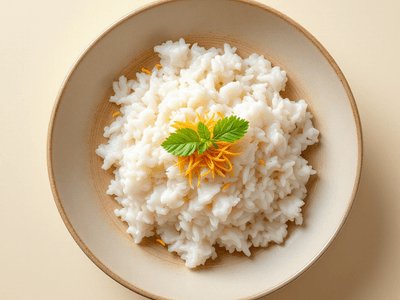
Betawi-style coconut milk rice served with fried shallots and peanuts
How to Make Nasi Uduk (Traditional & Healthy Version)
Nasi Uduk is a beloved breakfast dish from the Betawi community of Jakarta, Indonesia. This fragrant coconut rice is a staple in Indonesian cuisine, celebrated for its rich aroma and subtle, savory flavor. Traditionally, Nasi Uduk is cooked with coconut milk, lemongrass, pandan leaves, and spices, resulting in a uniquely aromatic experience that reflects the vibrant spirit of Indonesia. Served with a variety of vegetarian side dishes like sambal, fried tempeh, and sliced cucumber, Nasi Uduk offers a balanced and satisfying start to the day. Indonesians often enjoy Nasi Uduk during breakfast, but it is equally popular for lunch and festive occasions. Its roots trace back to Betawi culinary traditions, where it's commonly found at street stalls and family gatherings. The dish's versatility, combined with its comforting flavors and wholesome ingredients, makes it a wonderful introduction to Indonesian food for international audiences. Nasi Uduk stands out for its simplicity, allowing the natural flavors of coconut, herbs, and rice to shine, making it a great choice for those seeking authentic and health-conscious Indonesian recipes.
Ingredients(for 1 bowl (approx. 200g cooked rice per serving))
- 1 cup Jasmine rice (beras wangi)
- 3/4 cup Coconut milk (santan)
- 1 cup Water (for rice)
- 1 stalk Lemongrass (serai, bruised)
- 2 leaves Pandan leaves (daun pandan, knotted)
- 1 leaf Bay leaf (daun salam)
- 1/2 tsp Salt
- 100g Tempeh (for side dish, optional) - optional
- 1/2, sliced Cucumber (for garnish) - optional
- 2 tbsp Fried shallots (bawang goreng, for topping) - optional
Instructions
- 1
Wash the jasmine rice thoroughly until water runs clear. Drain well.
5 minutes
Use a fine-mesh sieve for best results.
- 2
In a rice cooker or pot, combine rice, coconut milk, water, lemongrass, pandan leaves, bay leaf, and salt.
5 minutes
Bruise the lemongrass and knot pandan leaves to release more aroma.
- 3
Cook the rice mixture on medium heat until boiling. Once boiling, reduce heat to low, cover, and simmer until rice is cooked and liquid is absorbed.
15 minutes
Do not stir the rice while cooking to maintain texture.
- 4
Let the rice rest, covered, for 5 minutes after cooking. Remove lemongrass, pandan, and bay leaf.
5 minutes
Resting allows flavors to settle and rice to fluff up.
Why This Dish is Healthy
This Nasi Uduk recipe uses minimal oil, moderate coconut milk, and includes nutrient-dense vegetarian sides. By focusing on whole foods and plant-based proteins, it delivers sustained energy and keeps calories in check. The aromatic herbs enhance flavor without extra sodium or fat, making it ideal for calorie-conscious eaters. Its balanced macros make it suitable for various diet types while preserving authentic Indonesian taste.
Nasi Uduk provides a balanced combination of carbohydrates from rice, healthy fats from coconut milk, and plant-based protein from tempeh. The use of herbs like lemongrass and pandan adds antioxidants and supports digestion. Tempeh is rich in protein, fiber, and essential amino acids, making it a nutritious vegetarian side. Coconut milk, when used in moderation, supplies medium-chain triglycerides and vitamins like B, C, and E. Cucumbers add hydration and minerals, contributing to a wholesome meal.
Pro Tips
- 💡Tip 1: Use fresh coconut milk for the most authentic flavor.
- 💡Tip 2: Knotting pandan leaves intensifies the aroma.
- 💡Tip 3: Fry shallots in advance and store for easy topping.
Storage & Serving
Store cooked Nasi Uduk in an airtight container in the refrigerator for up to 2 days. Reheat gently in a microwave or steamer to maintain moisture and aroma.
Best served: Breakfast or Lunch
Nutrition Facts
| Nutrient | Per 100g |
|---|---|
| Energy | 210.0 kcal |
| Protein | 4.0 g |
| Carbohydrates | 32.0 g |
| Total Fat | 7.0 g |
| Fiber | 1.0 g |