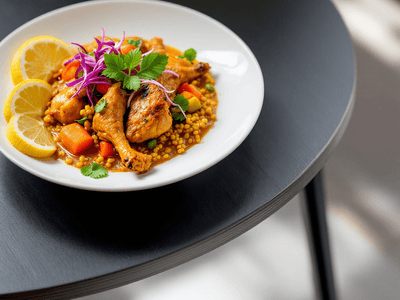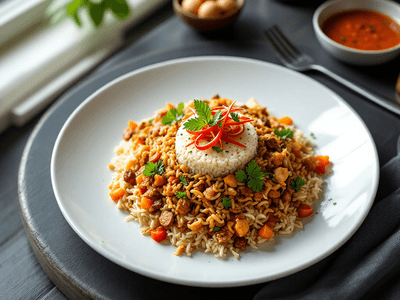
Nasi Padang
Lunch • Indonesia
About Nasi Padang
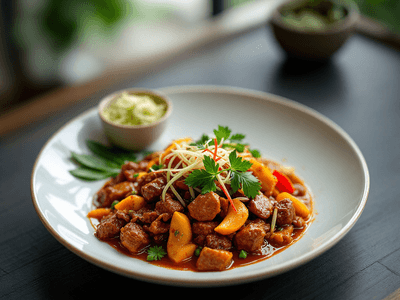
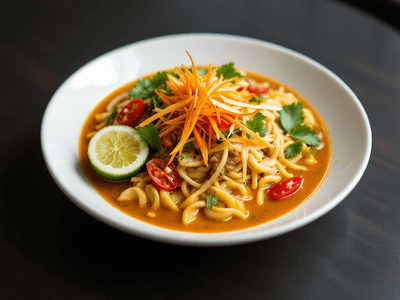
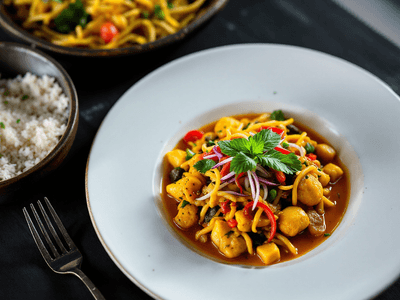
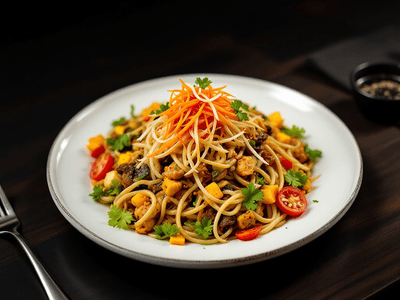
Steamed rice with assorted Padang-style side dishes and sambal
How to Make Nasi Padang (Traditional & Healthy Version)
Nasi Padang is a legendary Indonesian dish originating from the Minangkabau ethnic group in West Sumatra. Renowned for its rich flavors and vibrant presentation, Nasi Padang literally means 'Padang-style rice.' This dish is a celebration of Indonesia’s culinary diversity, featuring steamed rice served with an array of flavorful side dishes, including lean meats, vegetables, and aromatic spices. Each component is carefully prepared to balance taste, nutrition, and tradition, making it a staple in both everyday meals and special occasions. The hallmark of Nasi Padang is its variety. In Padang restaurants, dishes are displayed in a showcase, allowing diners to choose from a colorful spread. While the original can be rich, this healthy version focuses on using lean chicken, fresh vegetables, and less coconut milk without compromising the authentic taste. Nasi Padang is adored for its savory, spicy, and aromatic notes, which reflect Indonesia's love of bold spices and herbs. It's a perfect lunch for those seeking an authentic Indonesian food experience that is also mindful of health. Enjoying Nasi Padang is not just about savoring a meal—it's about embracing Indonesian culture, hospitality, and the communal way of eating. This recipe brings the spirit of West Sumatra to your kitchen, with a focus on wholesome ingredients and traditional cooking methods that suit a modern, health-conscious lifestyle.
Ingredients(for 1 plate with rice, chicken, vegetables, and sambal)
- 2 cups Steamed white rice (nasi putih)
- 200g Skinless chicken breast (ayam kampung optional)
- 100g Long beans (kacang panjang, cut into 3 cm pieces)
- 100g Cabbage (kol, sliced)
- 100 ml Coconut milk (light) (santan cair)
- 3 Red chili peppers (cabe merah, sliced)
- 4 Shallots (bawang merah, thinly sliced)
- 2 cloves Garlic (bawang putih, minced)
- 1/2 tsp Turmeric powder (kunyit bubuk)
- 2 Lime leaf (daun jeruk)
- 1 stalk Lemongrass (serai, bruised)
- 1/2 tsp Salt
- 1 tbsp Cooking oil (preferably canola or coconut oil)
Instructions
- 1
Marinate the chicken breast with turmeric powder and a pinch of salt for 5 minutes.
5 minutes
Use fresh turmeric for brighter color and flavor if available.
- 2
Heat oil in a non-stick pan. Sauté shallots, garlic, and chili until fragrant.
3 minutes
Keep heat medium to avoid burning the spices.
- 3
Add marinated chicken breast to the pan. Cook until lightly browned on both sides.
5 minutes
Slice chicken thinly for faster, even cooking.
- 4
Pour in coconut milk, add lime leaf and lemongrass. Simmer until chicken is cooked through and sauce thickens slightly.
5 minutes
Stir occasionally to prevent coconut milk from separating.
Why This Dish is Healthy
This Nasi Padang recipe is a healthy choice because it emphasizes lean protein, lots of vegetables, and lighter coconut milk, reducing overall calories and fat. The use of fresh ingredients and controlled portions helps maintain nutritional balance. It’s a nutrient-dense meal that supports energy levels, muscle repair, and digestive health, making it ideal for anyone looking to enjoy authentic Indonesian food while maintaining a healthy lifestyle.
Nasi Padang in this healthy adaptation offers a balanced meal with lean protein from chicken, complex carbohydrates from rice, and fiber-rich vegetables. Using light coconut milk reduces saturated fat, while fresh spices provide antioxidants, vitamins (like vitamin C from chilies), and minerals. Long beans and cabbage supply dietary fiber and micronutrients, supporting digestion and overall wellness. This version minimizes oil and sodium, making it suitable for calorie-conscious diets.
Pro Tips
- 💡Tip 1: Use freshly ground spices for maximum aroma.
- 💡Tip 2: For a lighter meal, serve sambal on the side to control spiciness.
- 💡Tip 3: Add a squeeze of fresh lime before serving to enhance flavors.
Storage & Serving
Store leftovers in an airtight container in the refrigerator for up to 2 days. Reheat chicken and rice separately in the microwave or on the stovetop. Vegetables are best consumed fresh.
Best served: Lunch
Nutrition Facts
| Nutrient | Per 100g |
|---|---|
| Energy | 250.0 kcal |
| Protein | 15.0 g |
| Carbohydrates | 30.0 g |
| Total Fat | 9.0 g |
| Fiber | 2.0 g |